The Advantages of the ABPM Test for Accurate Blood Pressure Analysis
Ambulatory Blood Pressure Monitoring (ABPM) offers an advanced strategy to reviewing high blood pressure. This approach gives continual, 24-hour information, recording variations that take place throughout daily tasks and rest. Such comprehensive monitoring not just improves accuracy yet likewise reveals vital patterns, assisting to compare true hypertension and problems like white-coat syndrome. Understanding these subtleties can cause a lot more reliable treatment techniques. What implications might this have for person treatment and management?
What Is Ambulatory Blood Pressure Monitoring (ABPM)?
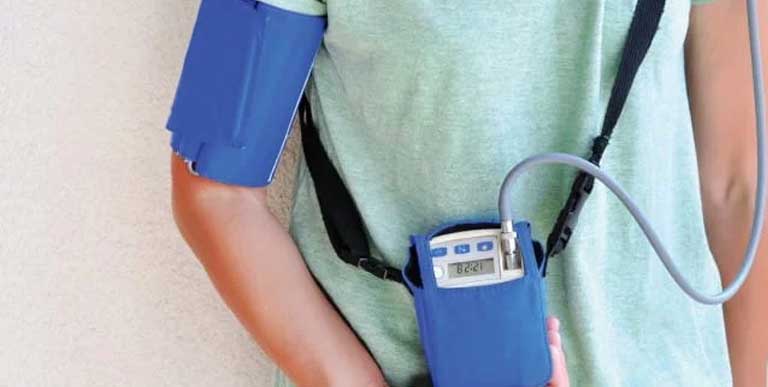
Ambulatory Blood Pressure Monitoring (ABPM) is a technique that enables constant high blood pressure evaluation over a 24-hour period, providing a considerable image of an individual's high blood pressure fluctuations. ABPM test in Bangalore. This strategy utilizes a portable tool that immediately gauges high blood pressure at normal intervals throughout the night and day. As people go concerning their everyday tasks, the gadget captures information reflecting their blood stress variants during various times and conditions, consisting of sleep and physical exertion.ABPM is particularly helpful for identifying problems such as high blood pressure, as it can distinguish between real hypertension and white-coat syndrome, where people display raised analyses in professional setups but not in their daily lives. By offering a detailed sight of high blood pressure modifications, ABPM aids doctor in making notified choices pertaining to medical diagnosis and therapy. Additionally, it boosts the understanding of blood pressure patterns, making it possible for individualized management strategies for individuals
Continuous Monitoring for Improved Accuracy
Constant monitoring of blood stress via ABPM substantially improves the accuracy of analyses compared to standard approaches. This strategy permits high blood pressure dimensions at regular intervals throughout the night and day, catching changes that might happen due to day-to-day tasks, tension, or other variables. Unlike solitary analyses taken throughout a center see, ABPM offers a detailed account of an individual's high blood pressure over a 24-hour period.This constant assessment leads to much more trustworthy data, enabling doctor to identify patterns and possible concerns that may go unnoticed with sporadic measurements. It additionally helps identify in between real high blood pressure and white-coat syndrome, where clients display elevated readings due to anxiousness in a scientific setting. By leveraging the advantages of constant monitoring, ABPM considerably enhances medical diagnosis and treatment strategies, inevitably adding to better client results and even more customized medical care methods.
Understanding Blood Pressure Variability
Blood pressure irregularity describes the changes in blood pressure analyses that can occur in time because of numerous elements, including exercise, stress, and body clocks. This variability is significant as it gives understandings right into a person's cardiovascular health and wellness. ABPM test in Bangalore. Elements such as workout can briefly boost blood stress, while leisure might lead to a decline. In addition, the body's all-natural rhythms can trigger blood pressure to vary throughout the day, typically being lower at night and higher throughout waking hours. High levels of irregularity have been connected with increased risks of cardiovascular events, making it crucial for healthcare experts to monitor these changes. Understanding high blood pressure irregularity assists in tailoring treatment plans and examining overall health. Precise evaluation via methods like Ambulatory High blood pressure Monitoring (ABPM) can record these variants, allowing for a more comprehensive exam of an individual's blood stress account
Determining White Coat High Blood Pressure
White coat high blood pressure, typically referred to as white coat syndrome, is characterized by elevated blood pressure analyses in scientific settings because of anxiousness or tension. Identifying its signs and symptoms and signs is essential for exact medical diagnosis, as misinterpretation can bring about unnecessary treatments. Recognizing this phenomenon is necessary for reliable blood pressure monitoring and client treatment.
Recognizing White Coat Syndrome
Although many clients display elevated high blood pressure analyses in medical setups, this sensation, called white layer high blood pressure, can cover real state of their cardio wellness. This condition occurs when people experience anxiousness or anxiety throughout medical visits, causing momentary spikes in high blood pressure. As an outcome, healthcare carriers may misinterpret these analyses as indicative of high blood pressure. White coat disorder highlights the importance of exact blood stress analysis, as depending entirely on in-office dimensions can lead to unneeded therapies or misconceptions concerning a client's wellness. Recognizing this disorder is crucial for clinicians, as it highlights the requirement for alternate monitoring methods, such as ambulatory high blood pressure monitoring (ABPM), to get an extra precise depiction of a person's blood stress degrees.
Signs and Indicators
Lots of individuals might experience certain symptoms that suggest the existence of white coat high blood pressure. These signs and symptoms go can consist of elevated blood pressure analyses during medical brows through, gone along with by sensations of stress and anxiety or anxiousness in a clinical atmosphere. Clients usually report a quick heartbeat or sweating when interacting with healthcare specialists, which might exacerbate their blood pressure levels. Furthermore, some individuals might observe a disparity in between their in-office high blood pressure analyses and those taken in your home, where they feel more kicked back. Identifying these signs and symptoms is vital, as they can suggest that stress and anxiety or anxiousness relevant to clinical setups is affecting their blood pressure. Comprehending these indicators can help in determining white layer high blood pressure and determining the need for further analysis.
Importance of Accurate Medical Diagnosis
Accurately diagnosing white layer high blood pressure is crucial for efficient high blood pressure administration. This problem happens when a client shows raised high blood pressure analyses in a clinical setting because of stress and anxiety or anxiety, while regular readings are recorded in a more loosened up atmosphere. Misdiagnosis can lead to unneeded therapy, exposing people to prospective medication negative effects with no actual health and wellness benefit. The use of ambulatory high blood pressure monitoring (ABPM) is essential in identifying real high blood pressure from white coat syndrome. ABPM offers constant high blood pressure dimensions over 24-hour, permitting for a complete assessment that can aid doctor make notified choices. Ultimately, precise recognition of white layer hypertension warranties individuals obtain suitable care and prevents the risks of mismanagement.
Evaluating Nighttime Blood Pressure Patterns
Assessing nighttime high blood pressure patterns is crucial for recognizing an individual's general cardiovascular health. Nighttime dimensions can reveal substantial variations in high blood pressure, which might suggest high blood pressure irregularity. Additionally, these patterns are closely associated with heart health, highlighting the relevance of continuous monitoring beyond conventional workplace sees.
Significance of Evening Measurements

Nighttime high blood pressure dimensions are frequently important for understanding a person's general cardio health and wellness. These readings provide essential insights right into just how high blood pressure acts throughout sleep, which can vary markedly from daytime levels. Keeping track of nocturnal blood pressure allows for the recognition of unusual patterns, such as non-dipping or reverse-dipping phenomena, which may indicate an enhanced risk for cardio occasions. In addition, nighttime evaluations can help assess the efficiency of antihypertensive therapies, ensuring that medicines are suitably taken care of. By recording high blood pressure changes throughout the evening, healthcare professionals can create more individualized therapy strategies, ultimately enhancing person outcomes and decreasing the chance of lasting difficulties connected with high blood pressure. This emphasizes the relevance of comprehensive blood stress examination throughout the day and evening.
Detecting Hypertension Variability
Just how click reference can the variability of nighttime blood stress patterns educate hypertension monitoring? The analysis of nighttime blood stress via the Ambulatory Blood Pressure Monitoring (ABPM) test discloses important variations that commonly go unnoticed in traditional dimensions. These patterns can suggest the existence of "non-dipping" hypertension, where blood pressure stops working to drop throughout rest, recommending a boosted cardio threat. By recognizing such variability, doctor can customize treatments extra properly, adjusting therapy strategies based on the person's certain nocturnal blood pressure habits. Comprehending these patterns also aids in examining the efficacy of antihypertensive medicines, guaranteeing that clients accomplish optimal blood pressure control throughout the night and day. As a result, nocturnal analysis ends up being important in extensive hypertension monitoring.
Relationship With Heart Health
Comprehending nighttime high blood pressure patterns not only help in high blood pressure administration however likewise has substantial effects for heart wellness. Research indicates that irregular nighttime blood stress readings, such as non-dipping or reverse dipping patterns, are connected with boosted Learn More Here cardio threats. During rest, blood stress typically decreases, a sensation essential for cardio healing. When this decline is missing, it may signify underlying issues such as free disorder or raised arterial rigidity. Additionally, people with raised nighttime blood stress go to an enhanced danger for heart assault and stroke. Subsequently, utilizing ambulatory high blood pressure monitoring (ABPM) to examine these nighttime patterns can supply important insights, enabling tailored treatments that better safeguard heart health and wellness and improve overall patient end results.
Customizing Treatment Strategies Based Upon Real-Life Data
Customizing therapy plans based upon real-life information involves leveraging continuous blood pressure checking to create individualized medical care strategies. The Ambulatory Blood Pressure Monitoring (ABPM) test provides a thorough account of a patient's high blood pressure variations throughout daily activities. This comprehensive data enables doctor to recognize patterns that may be forgotten in conventional workplace visits.By examining changes in blood pressure during different times and conditions, medical professionals can change medications, dosages, and way of living referrals to much better match specific person needs. This individualized strategy not just enhances the effectiveness of therapy strategies yet also decreases the likelihood of damaging reactions to medications.Furthermore, real-life data can reveal potential triggers for high blood pressure, causing aggressive interventions. Generally, tailoring therapy based on constant monitoring promotes a much more reliable, patient-centered method to taking care of hypertension and enhancing long-term wellness end results.
Improved Patient Compliance and Interaction
While standard monitoring methods may limit person involvement, the usage of Ambulatory Blood Pressure Monitoring (ABPM) significantly enhances person conformity and engagement in their very own healthcare. By permitting people to use a mobile gadget that tape-records high blood pressure over 24-hour, ABPM encourages people to take an energetic role in their health and wellness administration. This continuous monitoring offers an extra thorough view of high blood pressure changes, encouraging individuals to comprehend their condition better.Moreover, ABPM cultivates an environment where individuals can review their analyses with doctor a lot more meaningfully, leading to informed decision-making. People end up being much more bought sticking to suggested treatments and lifestyle modifications when they see real-time data mirroring their health and wellness status. The change from easy participant to active collaborator not just enhances conformity but also enhances total health results, making ABPM a useful device in cultivating person interaction in high blood pressure monitoring.
Frequently Asked Inquiries
The length of time Does an ABPM Examination Generally Last?
The ABPM test normally lasts 1 day. Throughout this period, it gauges blood pressure at normal intervals, offering an extensive assessment of a client's blood pressure patterns throughout their day-to-day tasks and rest.
Are There Any Type Of Risks Related To ABPM Testing?
Can ABPM Be Used for Kids and Adolescents?
ABPM can be used for youngsters and adolescents, offering important understandings into their high blood pressure patterns. Nonetheless, appropriate equipment sizing and interpretation by trained professionals are crucial to assure exact assessments and avoid misdiagnosis.
Exactly How Is ABPM Different From Standard Blood Pressure Monitoring?
ABPM differs from conventional monitoring by supplying continuous blood pressure readings over 24 hr, catching variants throughout daily activities and rest, whereas traditional approaches usually rely upon solitary dimensions, possibly missing out on important fluctuations in high blood pressure.
What Should Patients Do During the ABPM Test?
During the ABPM examination, people should maintain normal activities while preventing heavy exercise, too much high levels of caffeine, and cigarette smoking. They have to also maintain their arm still when the tool blows up, making sure exact analyses throughout the monitoring duration.